

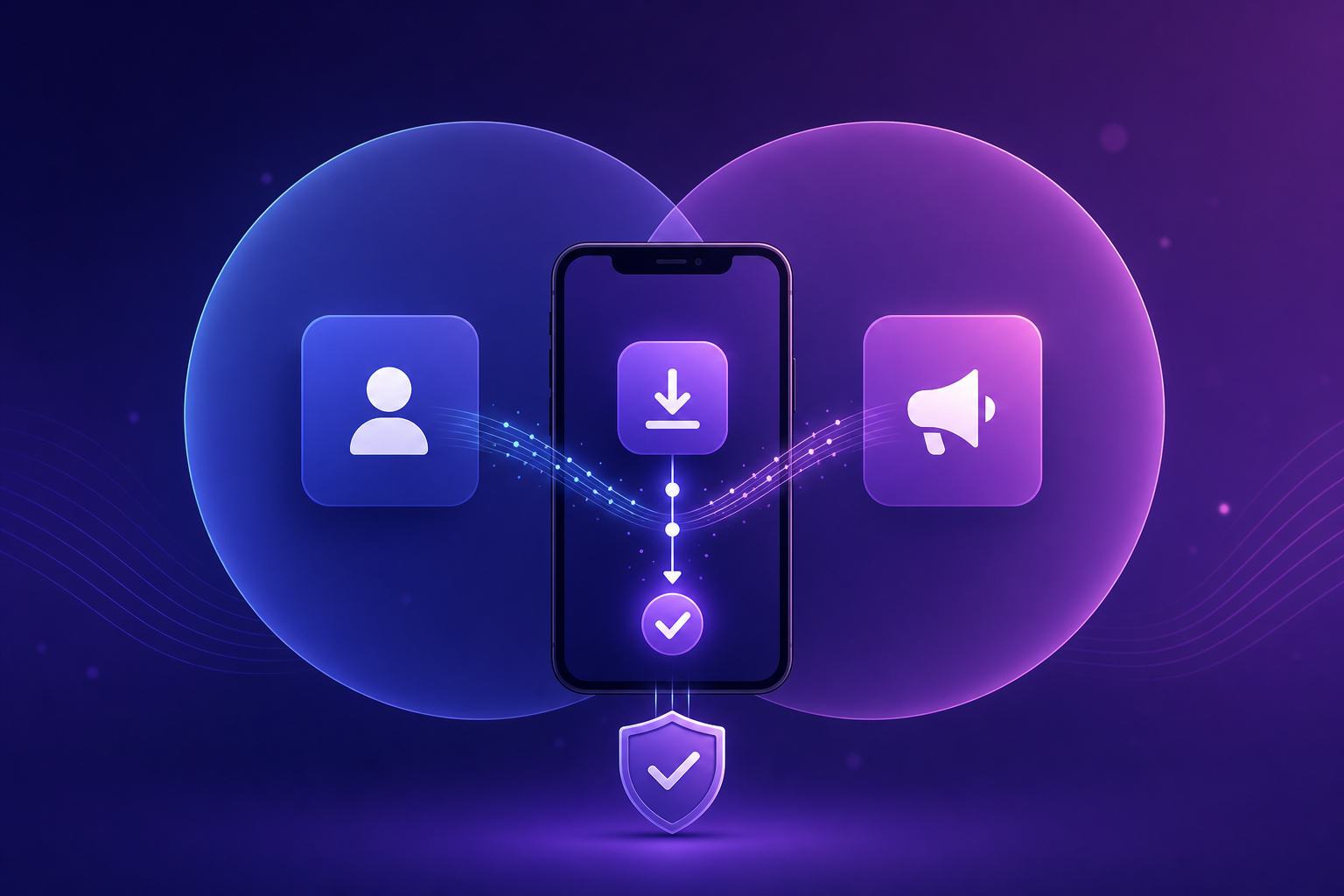
Meta just changed how it counts conversions — and the impact on Android app install campaigns is bigger than most teams realize. The platform is shifting from pure click-through attribution to an engage-through model, where interactions like video views, carousel swipes, and post reactions can receive conversion credit even without a direct click. For Android app teams relying on Meta’s install data to optimize campaigns, this creates a fundamental tracking challenge.
The teams adapting fastest aren’t trying to decode Meta’s new attribution logic. They’re moving to a distribution model where they own the install tracking entirely — Android PWA — and using Meta’s attribution changes as the catalyst to gain clearer, faster, and more reliable conversion data.
→ Want to bypass Google Play entirely? See how ROiBest PWA works — no submission, no cut, 1.2x installs.
What Meta’s Attribution Shift Actually Changes
Meta’s move to engage-through attribution means that conversion credit is no longer limited to users who clicked your ad. Here’s how it works in practice:
Click-through attribution (traditional): A user clicks your ad → installs your app within the attribution window → Meta reports the install as a paid conversion. The connection between ad click and install is direct and clear.
Engage-through attribution (new): A user watches 15+ seconds of your video ad → doesn’t click → later installs your app organically → Meta reports this as an engage-through conversion. The user never clicked, but Meta claims credit for the install.
For Android app campaigns, this creates three specific problems:
- Inflated conversion counts. Installs that would have happened organically are now attributed to your paid campaigns, making your ads appear more effective than they actually are.
- Distorted CPA calculations. If Meta is claiming credit for organic installs, your reported cost-per-install is artificially low — which means you’re overestimating campaign efficiency and potentially overspending.
- Muddied optimization signals. Meta’s algorithm optimizes toward conversions it reports. If engage-through conversions include users who would have installed anyway, the algorithm is optimizing toward a blended signal that doesn’t reflect true incremental value.
This problem compounds with audience data changes like Google Customer Match migration, creating a perfect storm of attribution uncertainty for Android app teams.
Why Google Play Installs Make the Problem Worse
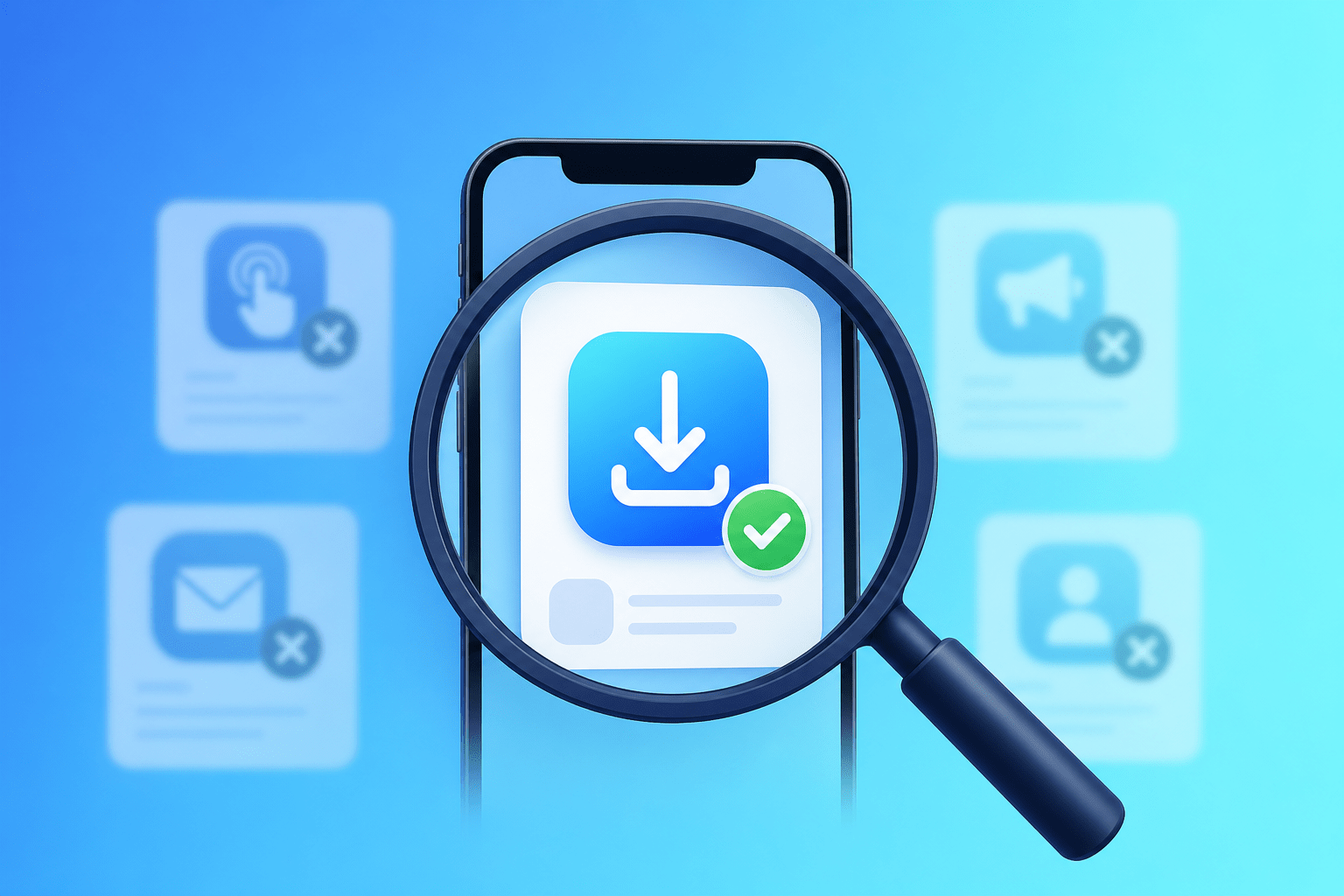
Meta’s attribution shift would be manageable if advertisers had complete visibility into their install funnel. But Google Play distribution adds another layer of opacity:
The double attribution problem. When a user sees your Meta ad (engage-through), then searches your app on Google Play and installs it, both Meta and Google may claim credit for the same install. Meta counts it as an engage-through conversion; Google Play’s install tracking records it as a store-driven install. Neither report tells you the true source.
No server-side verification. With Google Play, you can’t independently verify whether an install was truly driven by your Meta campaign or was an organic install that Meta’s new attribution model is claiming credit for. The install happens inside Google’s ecosystem, and you’re relying on two different platforms’ attribution systems that don’t communicate with each other.
Attribution window conflicts. Meta’s engage-through attribution window (typically 1-7 days) and Google Play’s install attribution window operate on different timelines. A user who engaged with your ad on Day 1 and installed via Google Play on Day 5 creates conflicting attribution data between the two systems.
How Android PWA Installs Solve the Attribution Problem
PWA installs happen directly on your domain — not inside Google Play. This single architectural difference eliminates the entire attribution problem Meta’s changes create:
Solution 1: First-Party Install Tracking You Own
When a user installs your PWA from your landing page, you capture the install event through your own analytics. You know exactly:
- Which ad campaign and ad set drove the click
- Whether the user clicked the ad (click-through) or arrived via another path
- The exact time between ad interaction and install
- Whether the install was truly incremental or would have happened anyway
There’s no second platform (Google Play) muddying the attribution. Your landing page analytics are the single source of truth for install attribution.
Solution 2: Real-Time Conversion Signals Back to Meta
PWA installs fire conversion events instantly via the Meta Pixel or Conversions API on your domain. Unlike Google Play installs (which require SDK integration and have reporting delays), PWA install signals reach Meta’s algorithm in real-time.
This matters because Meta’s algorithm optimizes toward conversion signals. Faster, cleaner signals from PWA installs mean:
- The algorithm learns which creatives and audiences drive real installs, not inflated engage-through installs
- Campaign optimization converges faster (typically 24-48 hours instead of 3-5 days)
- Your CPA stabilizes at a level that reflects true campaign performance
Teams that switched to PWA install tracking after Meta’s attribution change reported a 20-35% improvement in campaign optimization speed — a critical advantage covered in our analysis of Meta’s ad review impact on PWA.
Solution 3: Incrementality Testing Without Platform Bias
With PWA distribution, you can run true incrementality tests that answer the question Meta’s engage-through attribution deliberately obscures: “Would this user have installed without seeing my ad?”
How to set up an incrementality test with PWA:
- Create two identical landing pages: one with the Meta Pixel, one without
- Run a holdout test where 10-20% of traffic sees the non-tracked page
- Compare install rates between the tracked and holdout groups over 14 days
- The difference represents your true incremental installs from Meta campaigns
This test is impossible with Google Play distribution because you don’t control the install environment. With PWA, your landing page is the install environment — giving you complete experimental control.
Practical Impact: PWA Attribution vs Google Play Attribution
Android app teams that switched from Google Play to PWA distribution after Meta’s attribution change report:
- 40-60% more accurate CPA reporting. By eliminating engage-through inflation and Google Play’s attribution opacity, teams see their true cost per install for the first time.
- 25% reduction in wasted ad spend. When you know which installs are truly incremental, you stop paying for organic users that Meta was claiming credit for.
- 1.2x higher install conversion rate. PWA installs are faster than Google Play installs (no APK download, no store navigation), converting more ad clicks into actual installs.
- Zero revenue leakage. No 30% Google Play commission means every in-app purchase goes directly to you, further improving your effective CPA.
The attribution clarity alone justifies the switch for teams spending $10K+ monthly on Meta campaigns. Combined with the commission savings and higher install rates, PWA distribution changes the unit economics fundamentally, as our PMax channel analysis confirmed.
3-Step Migration Guide: Google Play to PWA Install Tracking
- Set up parallel tracking. Create a PWA install page alongside your existing Google Play listing. Install the Meta Conversions API on the PWA page to capture first-party install events. Run both for 30 days to compare attribution data.
- Run an incrementality test. Use the holdout methodology described above to measure your true incremental install rate from Meta campaigns. Compare this against Meta’s reported engage-through conversions to quantify the attribution inflation.
- Redirect campaign traffic. Once your data confirms PWA install tracking is more accurate (it will be), update your Meta campaign landing pages to point to the PWA install page instead of Google Play. Most teams see immediate CPA improvements from cleaner optimization signals.
The Bottom Line: Own Your Attribution, Own Your Results
Meta’s shift to engage-through attribution isn’t going to reverse — it serves Meta’s interest to claim credit for as many conversions as possible. The only way to get truthful install data is to own the install environment yourself.
Android PWA distribution puts the tracking pixel, the install event, and the conversion signal under your control. In a world where Meta is expanding what counts as “your” conversion, the only defense is having your own data that tells you what’s actually yours.
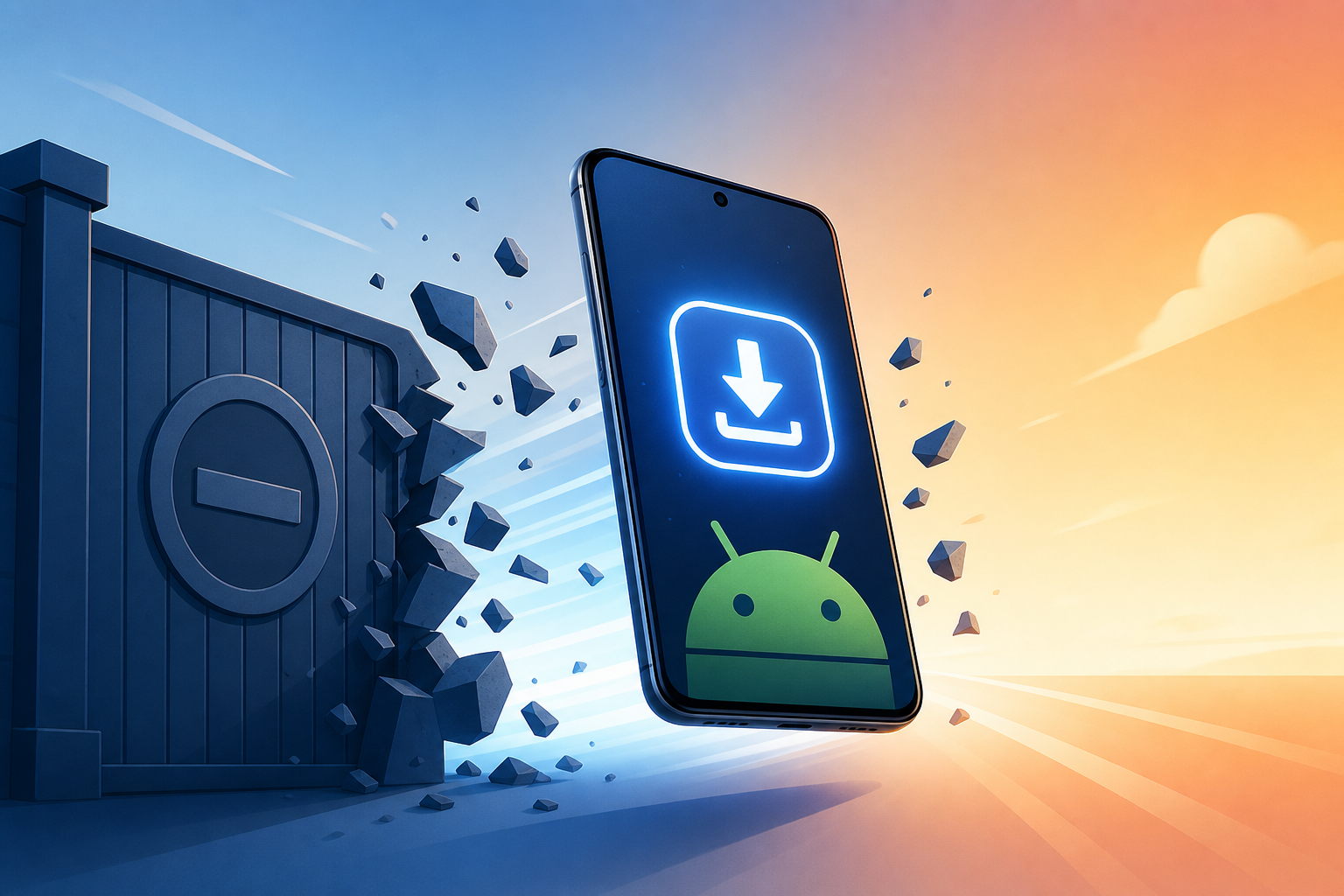
Skip the app store. Go live instantly, keep 100% of your revenue.
ROiBest helps Android app teams launch PWAs — no review process, no 30% Google Play cut, and push notifications that work even after uninstall. Teams see up to 1.2x higher install conversion rates vs native app downloads.

发表评论