

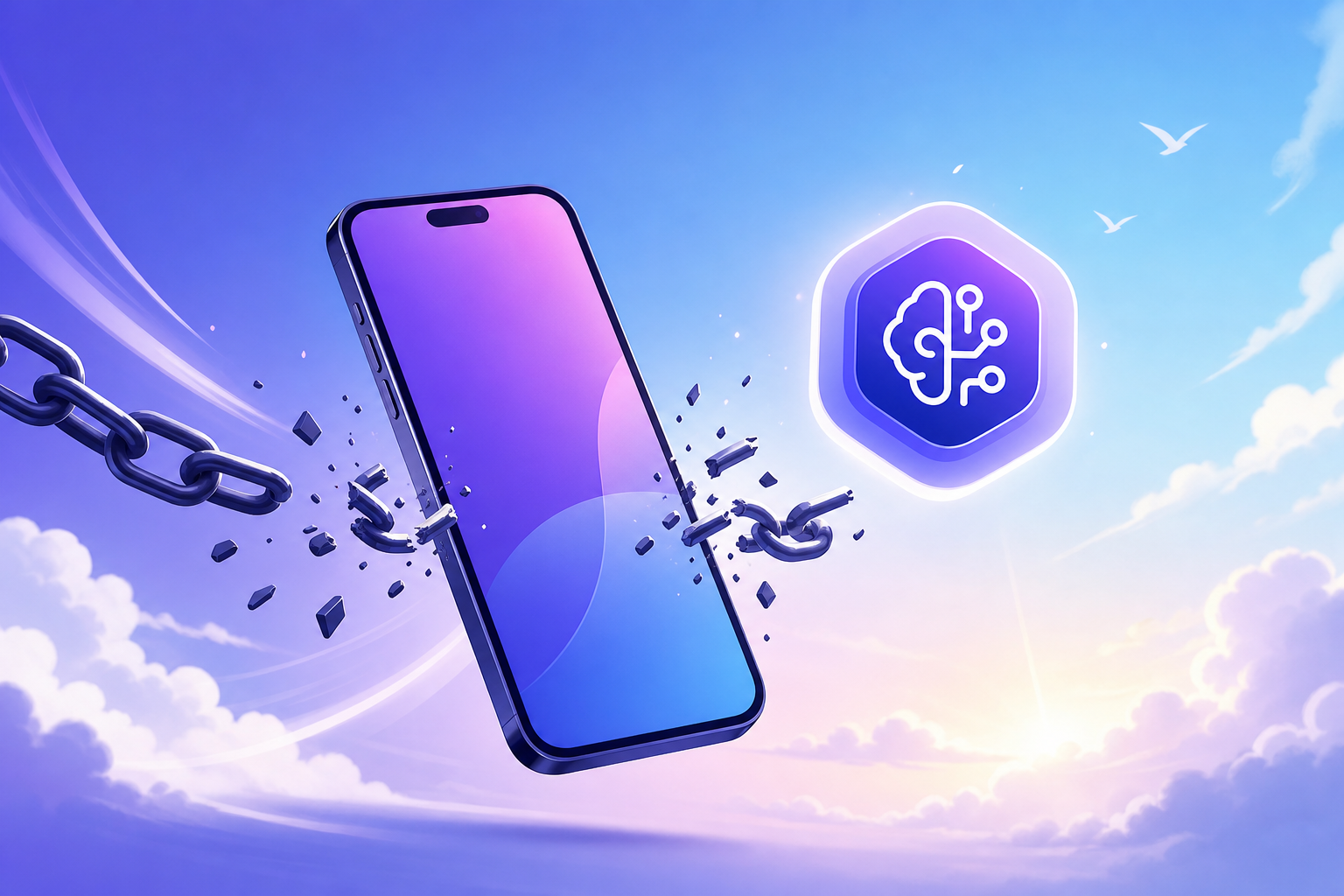
In 2026, AI content labeling requirements are reshaping how apps get distributed. Google Play now requires disclosure when app store listings, screenshots, or promotional content are generated by AI. Meta and TikTok enforce similar rules for ad creatives. For Android app teams, this creates a new layer of compliance risk in an already challenging distribution environment — especially for AI apps and gaming apps that heavily rely on AI-generated marketing assets.
→ Want to bypass Google Play entirely? See how ROiBest PWA works — no submission, no cut, 1.2x installs.
How AI Labeling Rules Affect Android App Distribution
The AI content labeling landscape in 2026 touches every stage of the app distribution funnel. Here is what Android app teams need to know:
- Google Play store listing compliance: Google now scans app store listings for AI-generated content. Screenshots created with AI image generators, descriptions written by AI copywriting tools, and promotional videos with AI-generated voiceovers all require disclosure. Failure to disclose can result in listing suspension — even if the app itself is fully compliant.
- Ad creative requirements: Meta requires “Made with AI” labels on AI-generated ad imagery. Google Ads is piloting similar requirements for Performance Max campaigns. For teams running user acquisition campaigns, this means your install ads may carry AI labels that affect click-through and conversion rates.
- In-app content disclosure: Apps that use AI to generate user-facing content (AI companions, AI chat, AI-generated recommendations) face additional disclosure requirements. Google Play’s updated policy requires these apps to clearly indicate when content is AI-generated within the app experience.
- Regional variation: The EU AI Act mandates AI content identification across all consumer-facing applications. China’s AI labeling regulations require watermarking on AI-generated images. Teams distributing globally must navigate a patchwork of requirements that vary by market.
The compound effect is significant: your app listing, your acquisition ads, and your in-app experience all face separate AI labeling requirements — each enforced by different entities with different timelines and penalties.
Why Google Play Amplifies AI Labeling Risk
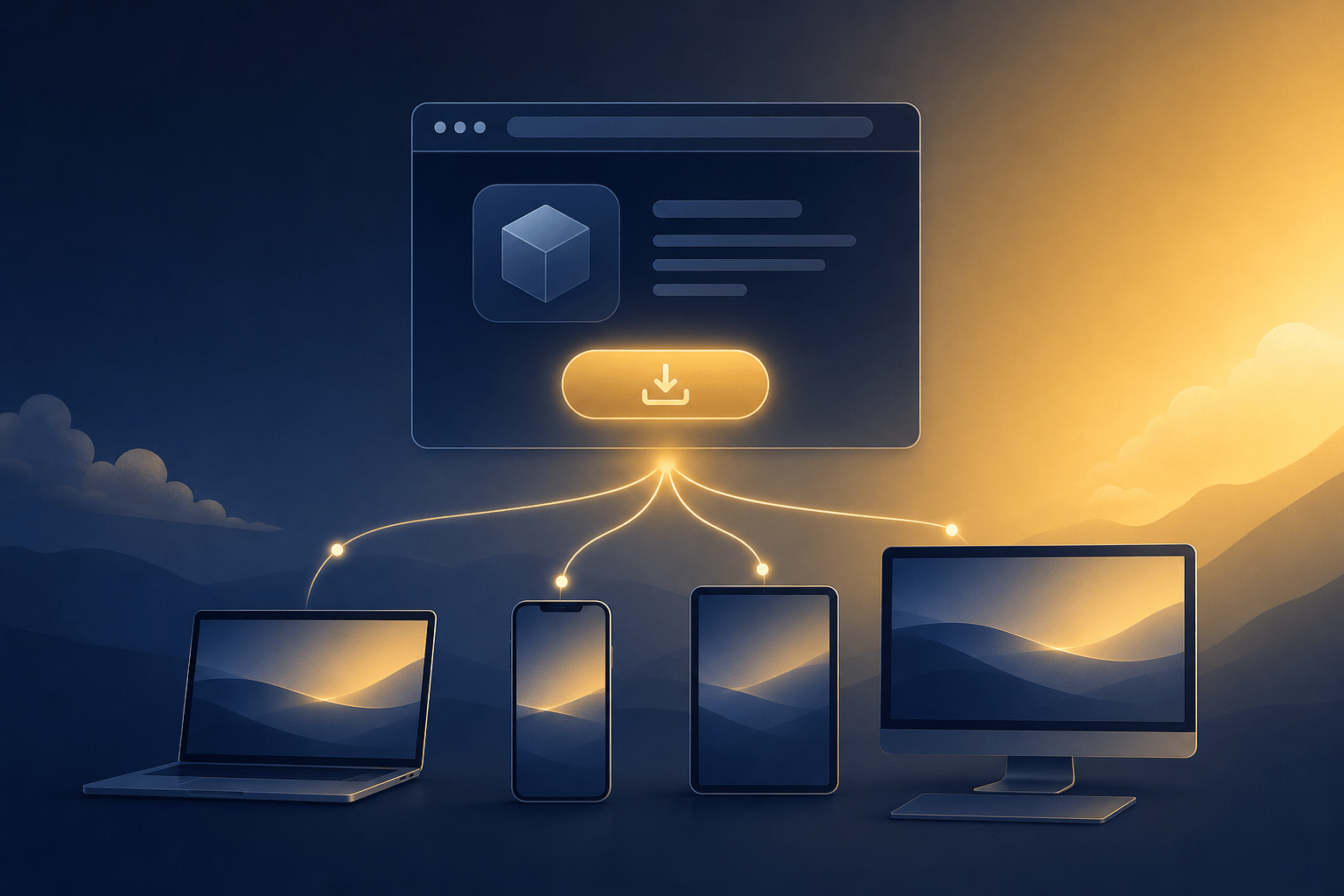
Google Play acts as a chokepoint for AI labeling compliance. Unlike web distribution, where you control the entire user journey, Google Play adds a gatekeeping layer that amplifies the consequences of non-compliance:
- Single point of failure: If Google Play flags your listing for AI content non-compliance, your entire distribution channel stops. You cannot serve installs while the listing is suspended — and reinstatement can take days or weeks. As explored in our platform risk analysis, this creates unacceptable business continuity risk for high-traffic apps.
- Automated enforcement at scale: Google’s AI content detection runs automatically across all listings. Even unintentional use of AI-generated content (e.g., a designer who used AI to upscale a screenshot without realizing it triggers disclosure requirements) can result in a flag.
- Retroactive enforcement: Google has begun retroactively reviewing existing listings against new AI labeling standards. Apps that were previously compliant may suddenly face policy violations for content that was uploaded months ago.
- Cross-policy escalation: An AI labeling violation on Google Play does not exist in isolation. It can trigger a broader account review, potentially surfacing other policy issues that were previously undetected. Teams report that a single AI labeling flag led to 3-5 additional policy notices.
PWA Distribution: Removing the Platform Compliance Layer
PWA (Progressive Web App) distribution eliminates the Google Play gatekeeping layer entirely. Your app installs directly from your landing page to the user’s home screen — no store listing required, no store review process, no automated policy scanning.
Here is how PWA distribution specifically addresses AI labeling challenges:
No Store Listing to Audit
With PWA, there is no store listing page that needs to comply with Google Play’s AI content disclosure rules. Your landing page is your “listing” — and you control it completely. If regulations change, you update your page immediately. No approval queue, no reinstatement process, no listing suspension risk.
Ad Creative Compliance Remains, But Install Risk Disappears
You still need to comply with Meta and Google’s ad creative labeling requirements — that is unavoidable regardless of distribution method. But the critical difference is that an ad creative compliance issue does not cascade into a distribution shutdown. Your PWA install page remains live even if an ad is paused for labeling review.
This separation of concerns is powerful: ad compliance and distribution compliance become independent failure domains instead of a coupled chain where one break stops everything, as tracked in our attribution and tracking analysis.
In-App AI Disclosure Under Your Control
For apps with AI-generated user-facing content, PWA gives you direct control over disclosure implementation. You can update your AI disclosure UI instantly through a web deployment — no waiting for a Google Play review cycle to approve your compliance changes.
Regional Compliance Flexibility
PWA distribution allows you to serve different disclosure implementations by region. EU users can see AI Act-compliant disclosures, while other markets see their local requirements — all managed through server-side logic without maintaining separate app builds or store listings for each region.
Practical Migration Checklist: From Store-Dependent to Platform-Independent
- Audit your current AI content exposure: List every piece of AI-generated content in your store listing, ad creatives, and in-app experience. Map each to its applicable disclosure requirement.
- Assess distribution risk: Calculate what a 7-day Google Play suspension would cost in lost installs and revenue. If the number is material, PWA distribution is worth evaluating as a parallel channel.
- Set up a PWA install landing page: ROiBest handles the technical implementation — you provide your app, they deliver a PWA-ready install page with Add to Home Screen prompts optimized for conversion.
- Run parallel distribution for 30 days: Maintain your Google Play listing while running PWA install campaigns alongside. Compare install rates, user retention, and revenue per user between channels, referencing data from our cost comparison analysis.
- Implement AI disclosure on your terms: Build your AI content disclosure into the PWA experience where it makes sense for your users — not where Google Play policy dictates.
Action Summary
- Map all AI-generated content across your distribution chain (listing, ads, in-app).
- Quantify the business cost of a Google Play AI labeling suspension.
- Evaluate PWA as a compliance-independent distribution channel.
- Implement regional AI disclosure logic on your landing page / PWA.
- Run a 30-day parallel test comparing Google Play and PWA install economics.
AI content labeling rules will only get stricter. The teams that build distribution independence now will spend less time on compliance firefighting and more time on growth.
Skip the app store. Go live instantly, keep 100% of your revenue.
ROiBest helps Android app teams launch PWAs — no review process, no 30% Google Play cut, and push notifications that work even after uninstall. Teams see up to 1.2x higher install conversion rates vs native app downloads.


发表评论