

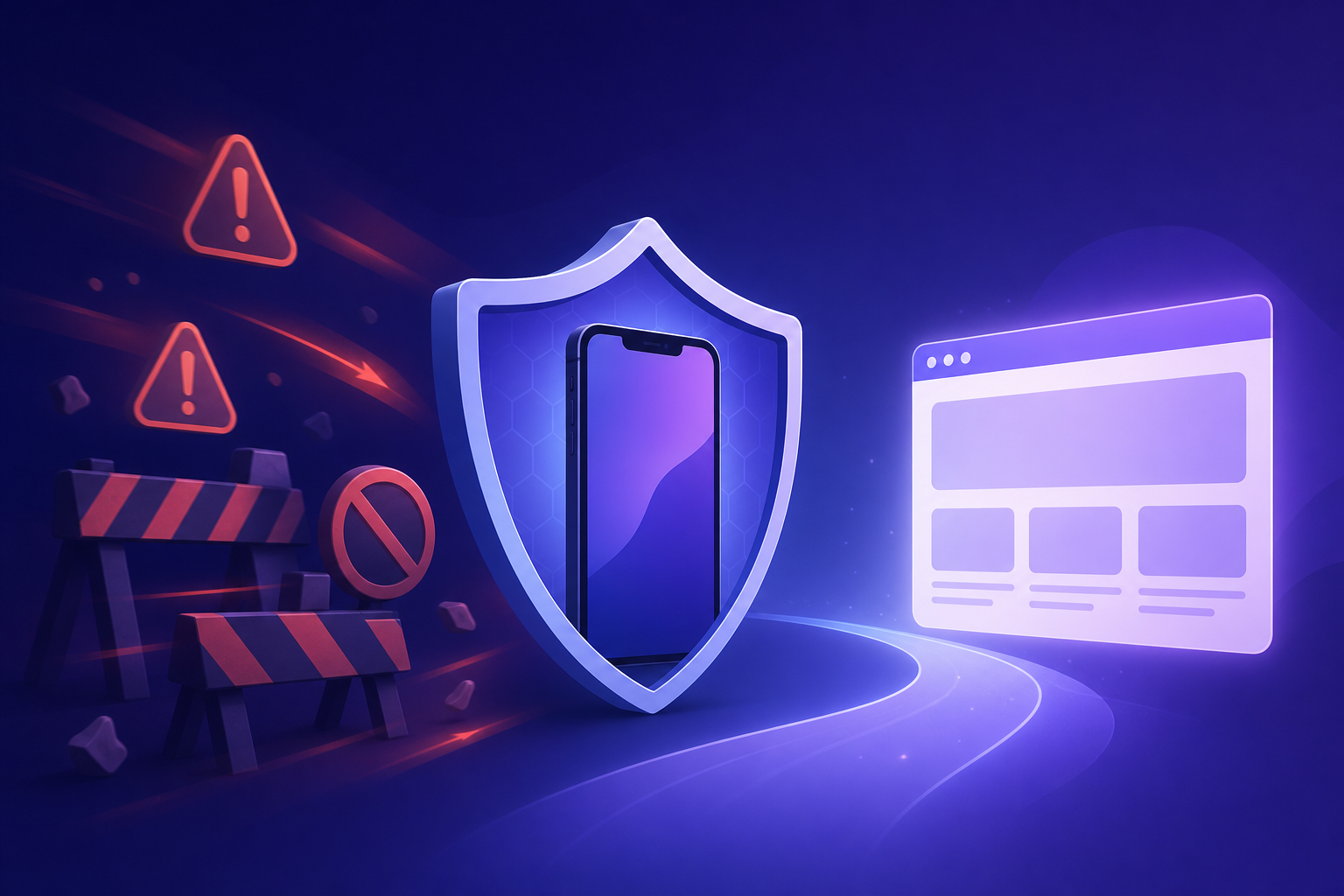
Meta is tightening ad review across the board — from banning entire advertiser categories like law firms to the ongoing Advantage+ controversy where advertisers lose control over placement and targeting. For Android app marketers, this raises a critical question: how much of your distribution should depend on a platform that keeps changing the rules?
Android PWA distribution offers an exit from this cycle. When your app installs directly from the web, Meta’s ad review policies affect your traffic acquisition — not your distribution infrastructure.
→ Want to bypass Google Play entirely? See how ROiBest PWA works — no submission, no cut, 1.2x installs.
Meta’s Dual Crackdown: Ad Review + Advantage+ Control Loss
Two parallel shifts are squeezing Android app advertisers on Meta:
Ad review is getting more aggressive. Meta has expanded its restricted categories, increased automated rejection rates, and shortened the appeal window. For app advertisers in sensitive categories — gaming, AI dating, social networking — this means more ads stuck in review, more rejections, and longer time-to-launch for new campaigns.
Advantage+ is removing advertiser control. Meta’s push toward fully automated campaigns means advertisers have less say in where their ads appear and who sees them. For app install campaigns, this creates a specific problem: you can’t control which landing page or app store listing Advantage+ sends traffic to, and you can’t easily A/B test different install flows.
The combination creates a compounding risk for app teams that depend on Meta for both traffic and distribution. When your ads get rejected and your campaign automation is a black box, your entire growth engine is at the mercy of platform decisions you can’t control.
Why Android PWA Separates Traffic Risk from Distribution Risk
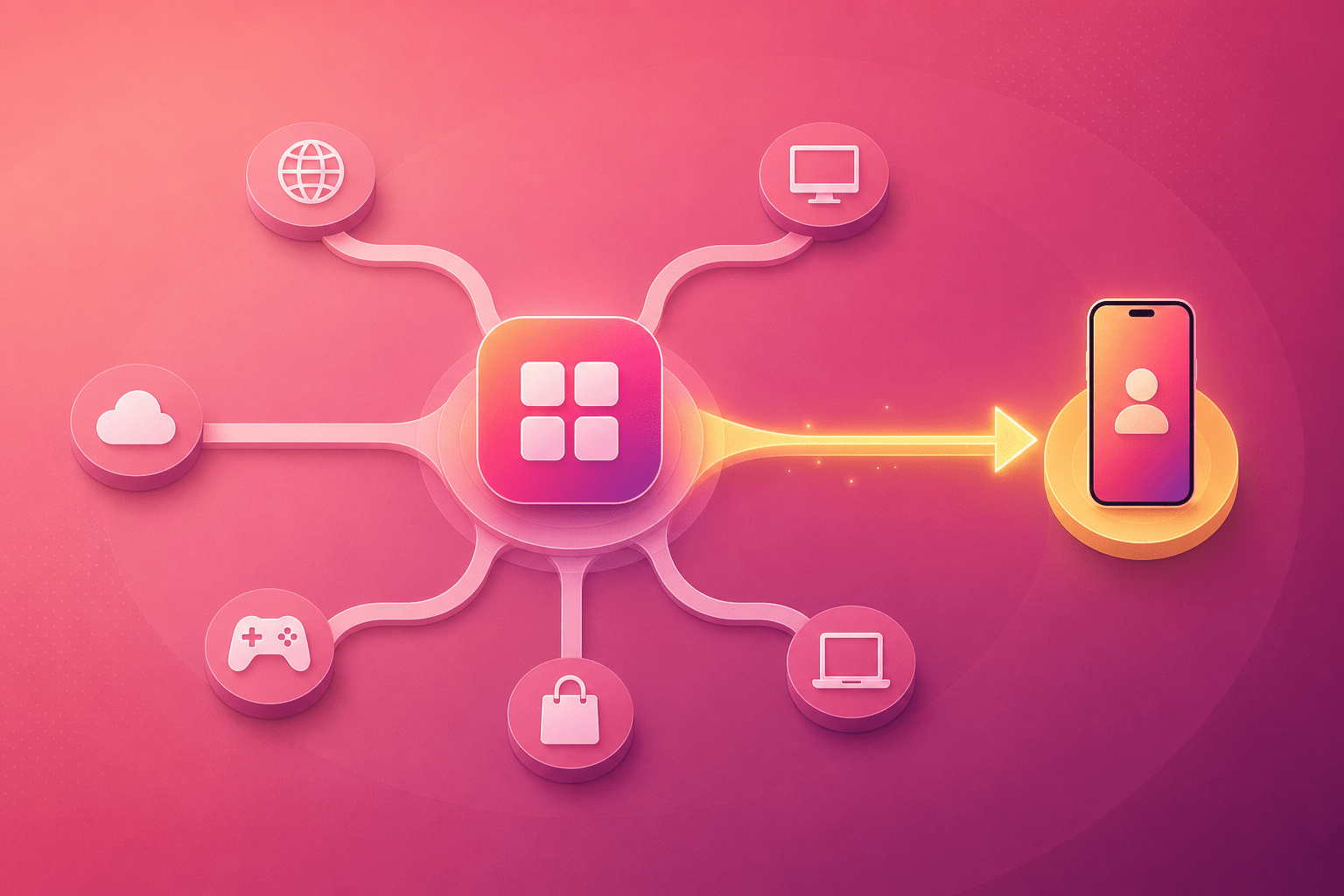
The key insight is that Meta’s policy changes affect your advertising, not necessarily your distribution. But if your app is on Google Play and your ads point to the Play Store, both are at risk simultaneously — a Meta ad rejection delays your campaign, and a Google Play policy change can delist your app.
PWA distribution breaks this dependency chain:
- Your install page is your own domain — No app store intermediary that can delist you
- Ad traffic goes to your landing page — You control the install experience, not a platform marketplace
- Revenue stays uncut — No 30% Google Play commission on in-app purchases
- Re-engagement works after uninstall — PWA push notifications through Chrome persist even when the app icon is removed
When Meta rejects an ad or changes Advantage+ rules, you still have a functioning distribution channel. Your PWA keeps acquiring users through other traffic sources — Google Ads, organic search, direct traffic — while you sort out Meta campaign issues.
3 Steps to Reduce Your Meta Platform Dependency
Step 1: Launch a PWA Version Alongside Your Native App
You don’t need to abandon Google Play or Meta ads overnight. Start by deploying a PWA version of your app and running a portion of your install campaigns to the PWA landing page instead of the Play Store listing.
Compare install rates, Day-1 retention, and LTV between the two paths. Teams consistently report 1.2x higher install conversion rates from PWA landing pages because the install is instant — no download progress bar, no app store friction.
Step 2: Diversify Traffic Sources Beyond Meta
With a PWA install page as your destination, you can run campaigns across every platform without worrying about app store compatibility. Build campaigns on:
- Google Ads (UAC and PMax) pointing to your PWA install page
- TikTok ads with direct-to-PWA install flows
- Organic content and SEO driving direct PWA installs
This multi-channel approach means that when Meta tightens review on your category, your growth doesn’t stall — the other channels keep delivering installs. The complete distribution guide breaks down exactly how each channel performs for PWA campaigns.
Step 3: Build First-Party Data Infrastructure
Meta’s Advantage+ controversy is partly about data control — advertisers can’t see exactly how Meta is using their audience signals. With PWA distribution, you collect first-party install and engagement data on your own infrastructure:
- Install events fire on your domain, not inside a platform SDK
- User behavior data stays in your analytics stack
- You can build and export audience segments to any ad platform
This first-party data advantage becomes more valuable as ad platforms continue restricting what data advertisers can access and how they can use it. As Google’s recent tool changes show, platform data access is only getting tighter.
The Bottom Line for Android App Teams
Meta’s ad review crackdown and Advantage+ control loss are symptoms of a broader trend: ad platforms are taking more control away from advertisers. The teams that thrive in this environment are the ones that decouple their distribution from any single platform.
PWA distribution gives you that independence. Your app lives on your domain, installs from your landing page, and retains users through your own push notification infrastructure. Platform policy changes become a traffic optimization problem, not an existential distribution risk.
Action Plan
- Audit your current Meta ad rejection rate and Advantage+ campaign performance transparency
- Deploy a PWA version of your Android app on your own domain
- Run 20-30% of your install budget through PWA landing pages and compare conversion metrics
- Set up Google Ads and TikTok campaigns pointing to your PWA install page
- Build first-party event tracking on your PWA to reduce dependency on platform SDKs
Platform risks are only growing. The time to diversify your Android app distribution is before the next policy change forces your hand.
Skip the app store. Go live instantly, keep 100% of your revenue.
ROiBest helps Android app teams launch PWAs — no review process, no 30% Google Play cut, and push notifications that work even after uninstall. Teams see up to 1.2x higher install conversion rates vs native app downloads.

发表评论